Mineral-Rich Salt: Understanding Health Benefits and Culinary Uses
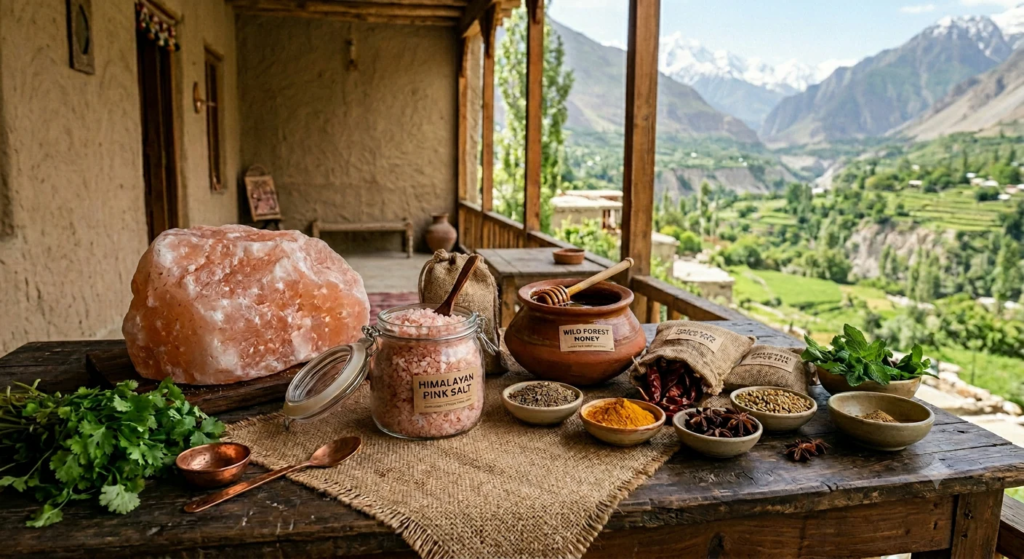
Salt is one of the oldest and most essential ingredients used in kitchens around the world. While all edible salt primarily provides sodium chloride, certain natural salts are valued for their unique appearance, trace minerals, and distinctive flavor profiles. Among them, Himalayan pink salt has gained worldwide popularity for both culinary and decorative purposes.
Harvested from ancient salt deposits, this naturally pink-colored salt is commonly used in cooking, seasoning, food presentation, and even home décor products like salt lamps and serving blocks. Alongside other Organic Pakistani Products, Himalayan pink salt has become a sought-after export recognized for its natural origin and premium quality.
What Is Himalayan Pink Salt?
Himalayan pink salt is a naturally occurring rock salt mined from ancient salt deposits in the Punjab region of Pakistan. Its distinctive pink hue comes from trace amounts of naturally occurring minerals that are present within the salt crystals.
Unlike highly refined table salt, Himalayan pink salt undergoes minimal processing, allowing it to retain its natural color and crystal structure.
Common forms include:
- Fine salt
- Coarse salt
- Salt blocks
- Cooking slabs
- Bath salt
- Decorative lamps
Its versatility makes it suitable for both culinary and household applications.
How Himalayan Pink Salt Is Formed
Millions of years ago, ancient inland seas gradually evaporated, leaving behind thick layers of mineral-rich salt deposits. Over time, geological pressure preserved these deposits beneath layers of rock.
Today, miners carefully extract the salt before it is cleaned, sorted, graded, and processed into various consumer and industrial products.
This natural formation process contributes to its distinctive appearance and texture.
What Gives Himalayan Pink Salt Its Color?
The pink, orange, and reddish shades come from naturally occurring trace minerals found within the salt.
These minerals contribute to its visual appeal, making it popular for gourmet cooking and decorative uses.
The exact shade varies depending on:
- Mineral concentration
- Crystal size
- Mining location
- Natural geological variations
No artificial coloring is added to produce its characteristic appearance.
Nutritional Profile of Himalayan Pink Salt
Like other edible salts, Himalayan pink salt is primarily composed of sodium chloride.
It also contains small amounts of naturally occurring trace minerals, including:
- Potassium
- Calcium
- Magnesium
- Iron
- Zinc
While these minerals contribute to the salt’s unique composition, they are generally present in very small quantities. Himalayan pink salt should not be considered a significant dietary source of these nutrients.
Potential Benefits of Using Himalayan Pink Salt
Although many health claims circulate online, current scientific evidence supports only limited nutritional differences between Himalayan pink salt and regular table salt.
However, many people choose it for practical and culinary reasons.
Possible advantages include:
- Natural appearance
- Distinctive flavor
- Minimal processing
- Versatile culinary applications
- Attractive presentation
It can be an appealing alternative for those who prefer less processed ingredients.
Enhances Food Presentation
One reason chefs appreciate Himalayan pink salt is its visual appeal.
Its attractive color enhances the presentation of:
- Steaks
- Seafood
- Salads
- Grilled vegetables
- Artisan breads
- Gourmet desserts
Large crystals also provide a pleasant finishing texture.
Adds Flavor to Everyday Cooking
Himalayan pink salt delivers a clean, balanced salty taste that complements many recipes.
It works well in:
- Soups
- Sauces
- Marinades
- Roasted vegetables
- Meat dishes
- Egg recipes
- Pasta
- Rice dishes
Many home cooks use it as both a cooking ingredient and finishing salt.
Popular Culinary Uses
The versatility of Himalayan pink salt extends beyond simple seasoning.
It can be used for:
- Everyday cooking
- Baking
- Pickling
- Brining
- Dry rubs
- Seasoning grilled foods
- Cocktail rims
- Homemade spice blends
Different crystal sizes suit different cooking methods.
Cooking on Himalayan Salt Blocks
Large salt slabs have become increasingly popular among food enthusiasts.
Salt blocks can be used for:
- Grilling meats
- Serving appetizers
- Chilling desserts
- Presenting sushi
- Cheese boards
- Fruit platters
These serving pieces create memorable dining experiences while adding subtle seasoning.
Different Types of Himalayan Pink Salt
Consumers can choose from several varieties depending on their needs.
Fine Grain
Best for:
- Table seasoning
- Baking
- Daily cooking
Coarse Grain
Ideal for:
- Grinders
- Marinades
- Meat rubs
Extra Coarse
Commonly used for:
- Decorative displays
- Salt mills
- Specialty cooking
Selecting the right grain size improves usability in different recipes.
Understanding Sodium Intake
Regardless of the type of salt used, excessive sodium intake may contribute to health concerns for some individuals.
General recommendations include:
- Season foods moderately.
- Taste before adding extra salt.
- Balance meals with fruits and vegetables.
- Follow dietary guidance from healthcare professionals when necessary.
Choosing Himalayan pink salt does not eliminate the importance of moderating total sodium consumption.
Choosing Quality Himalayan Pink Salt
When purchasing Himalayan pink salt, look for products that offer:
- Natural color
- Food-grade certification
- Clean packaging
- Clearly labeled origin
- Appropriate grain size
- Consistent crystal quality
Quality sourcing helps ensure product authenticity.
Proper Storage Tips
Correct storage preserves quality over time.
Store salt:
- In airtight containers
- Away from moisture
- Away from direct sunlight
- At room temperature
- In dry kitchen cabinets
Proper storage prevents clumping and maintains crystal quality.
Beyond the Kitchen
Himalayan pink salt is also used in several non-culinary applications.
Popular examples include:
- Decorative salt lamps
- Bath salts
- Spa products
- Home décor
- Serving platters
- Wellness gift sets
These products showcase the versatility of natural salt beyond food preparation.
Why Pakistan Is Known for Himalayan Pink Salt
Pakistan is home to some of the world’s largest natural rock salt reserves, making it one of the leading producers of Himalayan pink salt.
Its reputation is built on:
- High-quality deposits
- Centuries of mining history
- Natural extraction methods
- Global export standards
- Consistent product quality
As a result, Himalayan pink salt has become one of the country’s most recognized natural exports.
Organic Pakistani Products in Global Markets
International demand for Organic Pakistani Products continues to grow as consumers seek naturally sourced ingredients and sustainable alternatives.
Along with Himalayan pink salt, Pakistan exports products such as:
- Organic spices
- Rice
- Herbs
- Dried fruits
- Honey
- Pulses
These products are appreciated for their quality, authenticity, and agricultural heritage.
Tips for Using Himalayan Pink Salt in Everyday Cooking
If you’re introducing Himalayan pink salt into your kitchen, consider these simple ideas:
- Use fine salt for everyday meals.
- Sprinkle coarse crystals over grilled vegetables.
- Finish steaks with larger flakes.
- Add to homemade spice blends.
- Season roasted potatoes.
- Rim cocktail glasses with coarse salt.
- Use a salt grinder for freshly ground seasoning.
These techniques allow you to enjoy both its flavor and visual appeal.
Conclusion
Himalayan pink salt has earned its place in kitchens around the world because of its natural origin, attractive appearance, and versatility in cooking. From seasoning everyday meals to enhancing gourmet presentations, it offers home cooks and professional chefs a premium alternative to conventional table salt. While it contains trace minerals that contribute to its distinctive color, it should still be enjoyed as part of a balanced diet with mindful sodium intake.
As demand for Organic Pakistani Products continues to rise globally, Himalayan pink salt remains one of Pakistan’s most iconic natural exports. Pak Organic is committed to supplying high-quality, naturally sourced products that reflect Pakistan’s rich agricultural and mineral heritage. By focusing on authenticity, quality standards, and responsible sourcing, Pak Organic helps customers around the world enjoy premium products they can trust.